Dental Implants · Cleveland

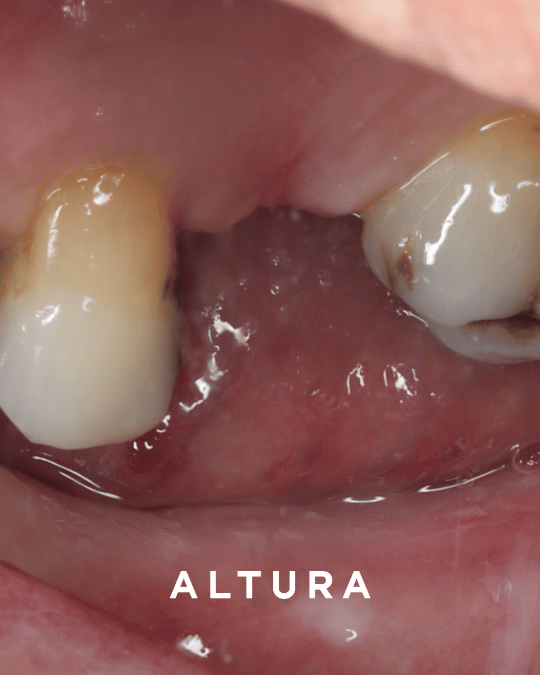
One missing tooth today.
Don’t wait until it’s more.

When a missing tooth isn’t replaced, the gap doesn’t stay still. Neighbouring teeth shift in. Opposing teeth over-erupt. The bone underneath begins to disappear. The earlier you act, the simpler and less expensive the fix.

$400 complimentary assessment. No deposit. No pressure to decide on the day.

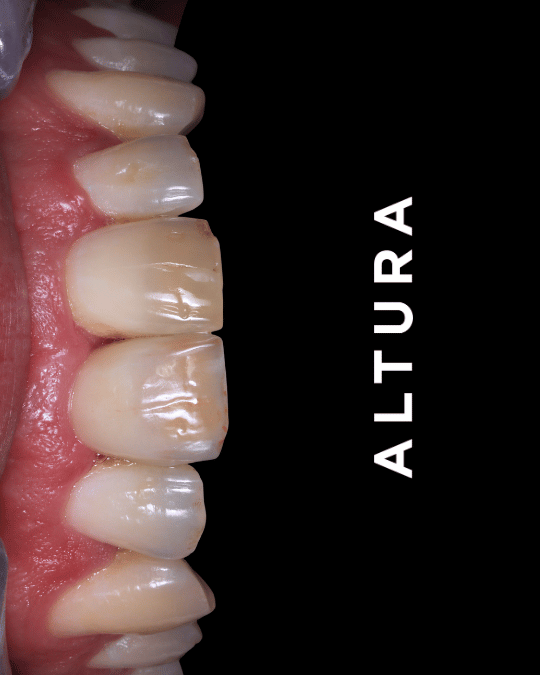
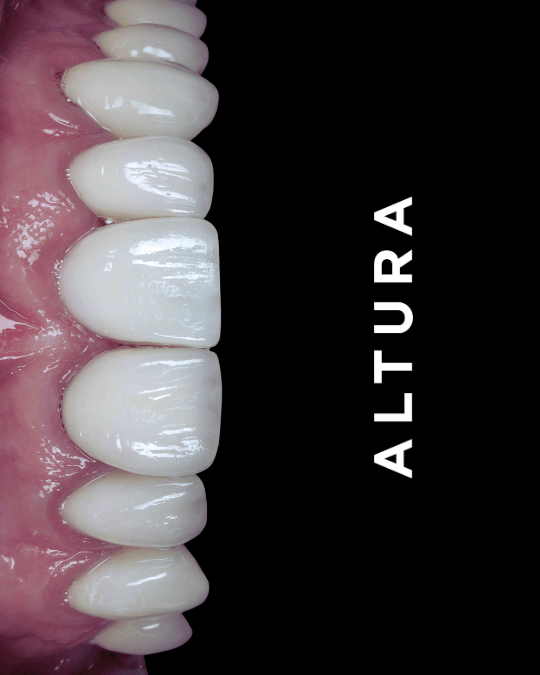
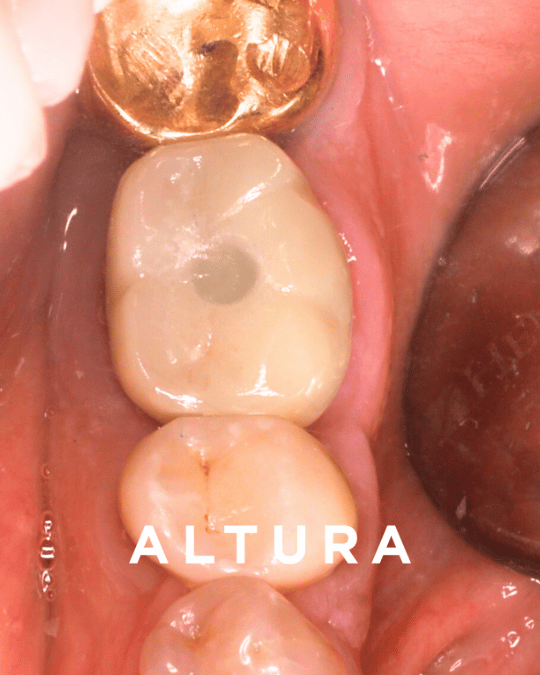
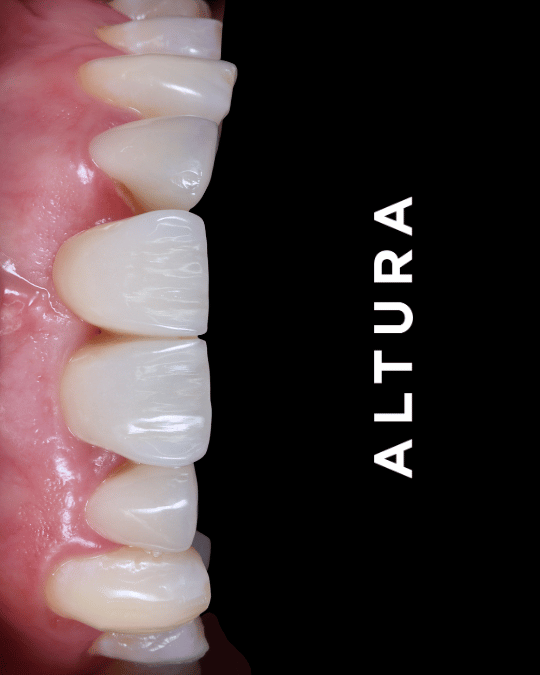
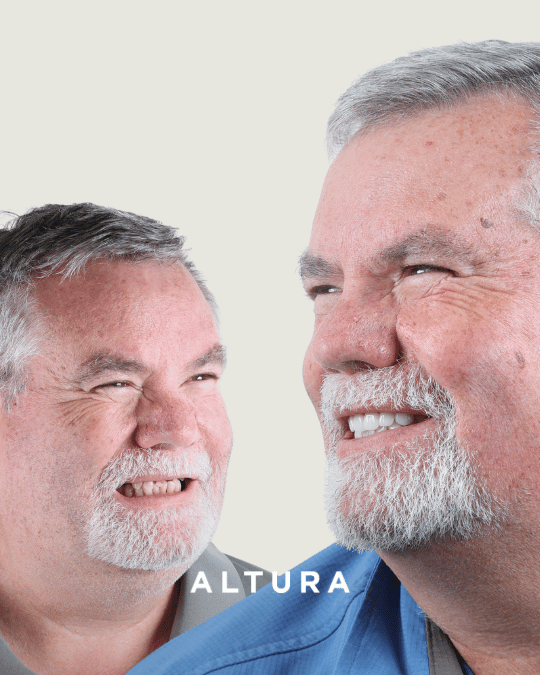
A tooth so natural, you’ll forget it’s an implant.

3
★★★★★
5.0 · 380+ Google Reviews
2,000+
Implant Cases Completed
Straumann Group
Premium Implant System
QIP
Accredited Practice
What happens when a missing tooth stays missing

It’s never just one missing tooth.

A missing tooth might seem like a small problem. But the body responds whether you do or not. Within weeks of losing a tooth, the gap starts driving changes — in your jawbone, in your bite, in your remaining teeth.

— 01

Bone loss begins within weeks.

Without a tooth root to stimulate it, the supporting jawbone begins to resorb. The collapse continues silently until you act — and the longer you wait, the more bone you lose.

— 02

Neighbouring teeth tilt into the gap.

Teeth rely on each other for support. Nearby teeth can tilt sideways into the empty space, increasing food trapping, gum inflammation, and the risk of future periodontal problems.

— 03

Opposing teeth over-erupt.

The tooth that bites against the missing one may move into the empty space, exposing the softer root surface and becoming more prone to sensitivity and decay.

— 04

Your bite balance changes.

A missing tooth disrupts the balance of your bite. The jaw may shift during chewing, leading to uneven forces, tooth fractures, increased grinding, jaw discomfort, headaches, or ear pain.

— 05

Remaining teeth take more stress.

As chewing forces concentrate on fewer teeth, individual teeth face excessive pressure. Known as traumatic occlusion, this can lead to pain, tooth mobility, or damage to the nerve.

— 06

Facial structure changes.

Teeth support the lips, cheeks, and overall facial structure. Particularly with multiple missing teeth, that support diminishes — leading to a sunken appearance and accelerated aging of the lower face.

Every change above is preventable if a missing tooth is replaced before the changes set in. The earlier you act, the simpler the fix.

Your options for replacing a missing tooth

Four paths. One honest comparison.

Implants aren’t always the right answer for everyone. Here’s a fair look at the four options, with their trade-offs, so you can make an informed decision.

Wait and see

Pros

  • No upfront cost today
  • Reversible — you can act later

Cons

  • Bone loss begins within weeks
  • Neighbouring teeth begin to shift
  • Each year of waiting makes future treatment more complex and more expensive

When it’s right

Rarely. Even short delays compound the changes shown above.

Removable partial denture

Pros

  • Lowest upfront cost
  • Fastest to fabricate
  • Can serve as a short-term solution

Cons

  • Does not prevent bone loss
  • Metal clasps stress healthy teeth — up to 44% of clasped teeth may be lost over 10 years
  • Removed daily for cleaning
  • Can feel loose when eating or speaking

When it’s right

A short-term solution while planning a permanent fix, or when budget is the primary consideration.

Dental bridge

Pros

  • Fixed in place, not removable
  • Faster than implants — no healing phase needed
  • Comparable 10-year survival rate to implants
  • Looks natural

Cons

  • Requires shaving down two healthy neighbouring teeth
  • Does not prevent bone loss beneath
  • If one supporting tooth fails, the entire bridge fails

When it’s right

When the neighbouring teeth already need crowns, or when an implant isn’t clinically suitable.

If you’ve been told you need a bridge or denture, that may still be the right answer for your case. Your assessment includes an honest discussion of all four options — not just a push toward implants.

Five points of difference
— 01 / 02 / 03 / 04 / 05

When “free consultations” are everywhere, the consultation isn’t the difference. This is.

A single implant is a long-term investment in your mouth. Below are the five things that separate where it’s done well from where it’s done quickly.

02.

2,000+ implant cases completed at this practice.

Specificity matters. We don’t quote “thousands of implants” across every kind of procedure, we’ll tell you exactly how many implant cases this team has completed at this Cleveland practice.

03.

A Straumann Group implant system, with manufacturer warranty.

The implant system we use is from the Straumann Group — one of the world’s largest and most clinically-researched implant manufacturers, backed by decades of peer-reviewed data. The implant body itself carries a manufacturer warranty.

04.

Planned in 3D before we touch your mouth.

Your case is mapped using our in-house CBCT scanner and planned with digitally-guided surgery software before treatment day. Your final crown is made in Australia by an established dental laboratory never offshored.

05.

The Plan-Before-Pressure approach.

You leave your consultation with a full written, itemised treatment plan and quote. We don’t ask you to commit on the day. If we follow up, it’s to answer your questions, never to pressure you into a decision. We’ve built our practice on patients deciding in their own time.

For the right candidate

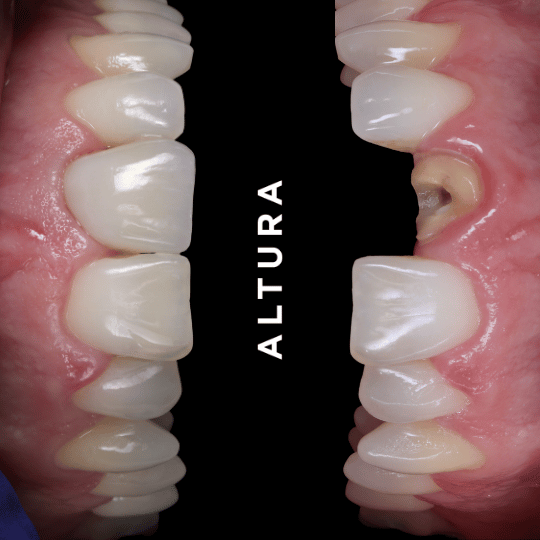
Have a failing front tooth? Walk out with a tooth the same day.

Most single-implant cases follow a staged path: extraction, healing, implant placement, more healing, then the final crown. But for carefully selected cases where a front tooth is failing or needs to be removed, our immediate anterior implant approach combines multiple procedures into a single appointment.

  • Tooth extraction, implant placement, and a fixed provisional crown — all in one visit
  • You leave with a natural-looking tooth — no removable temporary appliance
  • Helps preserve gum contours and bone architecture in the aesthetic zone
  • Same long-term success rate as a standard implant once healing is complete
$6,500 All-inclusive

Includes tooth extraction, bone grafting if required, implant placement, and a custom provisional crown. This is a technically demanding procedure suitable only for selected anterior cases, suitability is determined by bone quality, gum health, and bite forces, and confirmed during your assessment. Not available for back teeth.

I-X-AC-FACE-BATTEN,ROSS
The Altura Implant Assessment

Your complimentary single-implant
assessment.

A full clinical assessment, 3D imaging, and written treatment plan — provided at no cost as part of considering treatment with Altura.

What’s included

  • _
    One-on-one consultation with a postgrad-qualified implant clinician 30–45 minutes to discuss your situation, options, and questions.
    $150 value
  • _
    Full clinical examination and oral health review A thorough assessment of your current dental health and implant suitability.
    $80 value
  • _
    3D CBCT scan and digital imaging In-house imaging used to assess bone volume and plan implant placement accurately.
    $150 value

Plus, at no additional cost

  • _
    Personalised written treatment plan, printed to take home Including any potential need for bone grafting or sinus lift, all disclosed upfront.
    $120 value
  • _
    Itemised, line-by-line investment plan Every potential cost listed, plus flexible payment pathways.
    $50 value
  • _
    Pre-appointment phone call Ask anything you want before you walk through our doors.
    $30 value
  • _
    Dental implants printed guide Honest information on what to expect, recovery, and aftercare.
    $40 value
Total declared value
$620 Complimentary
No deposit. No obligation. No pressure to decide on the day.
Claim my complimentary assessment

The complimentary assessment is provided as part of considering treatment with Altura. It does not include treatment itself or any procedures beyond examination and imaging. Subject to clinical suitability following assessment.

In writing — not just in marketing

Three promises we put in writing.

Stated upfront, included in your treatment plan, and stood behind after.

— Promise 01

The No-Surprise Pricing Promise

Every cost is itemised in writing before you proceed — including any bone grafts, sinus lifts, sedation, follow-ups, and adjustments. If a cost wasn’t disclosed in writing before you said yes, we cover it.

— Promise 02

The Plan-Before-Pressure Promise

You leave your consultation with your full written treatment plan in hand. We never ask you to make a decision on the day. If we follow up, it’s to answer questions — never to pressure you. You decide in your own time, with your family, with zero pressure from our team.

— Promise 03

The 12-Month Integration Promise

If an implant we place fails to successfully integrate within 12 months of placement, we replace the implant and surgical placement at no additional charge to you.

Standard clinical exclusions apply, including tobacco use, uncontrolled diabetes, missed scheduled reviews, and patient-side compliance factors. Full terms documented in your treatment plan.

How it works

A simple, no-pressure path from question to decision.

Five steps. You can stop at any point.

Step 1

1-minute quiz

Tell us your situation. Takes about a minute.

Step 2

Phone call

A brief, no-obligation chat to answer your questions and confirm fit.

Step 3

In-practice assessment

Full exam, 3D CBCT scan, and one-on-one consultation in Cleveland.

Step 4

Take your plan home

Receive your written, itemised treatment plan to read in your own time.

Step 5

Decide when you’re ready

If we check in, it’s to answer questions — never to pressure you for an answer.

Step 1 of 1 · Take the quiz

See if you’re a candidate for a dental implant in about a minute.

Answer four short questions. Our team will call you within one business day for a no-obligation chat or you can request a callback at a specific time.

  • _Free $400 implant assessment included
  • _No deposit. No obligation.
  • _We never pressure you to decide on the day
  • _Your details stay between you and our team
— Question 1 of 4

Which best describes your situation?

Select the option that fits most closely. There’s no wrong answer.

— Question 2 of 4

When are you considering treatment?

No pressure either way — this just helps our team understand where you’re at.

— Question 3 of 4

How are you thinking about investment?

A standard single implant at Altura is $5,000 (extraction if needed, implant, abutment, ceramic crown). Bone grafting or sinus lift, if required, is $1,000 each — about 30% of cases. Immediate anterior implants are $6,500 all-inclusive. Flexible payment options including interest-free finance are available.

— Question 4 of 4

Where should we send your details?

Our team will reach out within one business day with the next step. Your details are never shared.

By submitting, you agree we may contact you about your enquiry by phone, email or SMS. We do not share your information with third parties.

_ Thank you

We’ve got your details.

A member of the Altura team will be in touch within one business day to schedule your no-obligation phone consultation.

Need to reach us sooner? Call 07 3821 0277.

Still got questions?

More common questions, in detail.

Beyond what’s covered in the video above, here are detailed answers to the specific questions patients ask most often.

For a straightforward single implant, treatment typically takes 3 to 6 months from placement to final crown — with the healing phase being the longest part. The implant is placed in a single appointment under local anaesthetic. Around 3 to 4 months later, after osseointegration is complete, the custom ceramic crown is fitted.

Immediate anterior implants combine multiple stages into one appointment but still require 3 to 4 months of healing before the final crown is placed. Treatment times vary between individuals and your specific timeline will be outlined in your written treatment plan.

A standard single implant at Altura is $5,000. This includes extraction if needed, implant placement, abutment, and the ceramic crown. If bone grafting is needed, it’s an additional $1,000. If a sinus lift is required, it’s an additional $1,000. About 30% of patients need one of these additional procedures.

Immediate anterior implants are $6,500 all-inclusive (extraction, grafting if needed, implant placement, and a fixed provisional crown).

Under our No-Surprise Pricing Promise, every potential cost is itemised in writing before you proceed — nothing is added later. Flexible payment pathways including interest-free finance are available.

About 30% of single-implant patients need some form of bone grafting or sinus lift before or alongside implant placement. This is most common in patients who have been missing a tooth for some time (longer = more bone loss), or where the back upper teeth are close to the maxillary sinus.

Bone needs are determined by your 3D CBCT scan during your assessment. If grafting or a sinus lift is required, it’s disclosed in writing in your treatment plan with all costs itemised before you proceed.

For standard single implants where the tooth is already missing, healing happens beneath the gum without any visible gap. For cases where a tooth is being extracted as part of treatment, you have options.

A removable Essix retainer or partial denture with a temporary tooth can mask the gap during the 3 to 4 month healing phase. This is an additional cost and the temporary appliance is removed for eating.

In selected front-tooth cases, our immediate anterior implant approach provides a fixed provisional tooth on the same day as the implant placement — no removable appliance, no visible gap during healing. Suitability for this option is determined during your assessment.

Each has its place. Bridges and implants have comparable 10-year survival rates — this isn’t a survival question.

The key differences: a bridge requires shaving down two neighbouring healthy teeth to act as anchors. It doesn’t prevent bone loss beneath the missing tooth. If one supporting tooth later fails (decay, fracture, gum disease), the entire bridge typically needs replacing. An implant stands independently, doesn’t affect neighbouring teeth, and preserves the bone underneath.

If your neighbouring teeth already need crowns, or if implants aren’t clinically suitable for your case, a bridge may be the right answer. Both options are discussed during your assessment.

Long-term studies show 10-year survival rates of approximately 95 to 98% for dental implants in good clinical conditions. With excellent oral hygiene and regular maintenance, implants are designed for long-term use.

The ceramic crown attached to the implant will experience normal wear over time and may need replacement after many years, similar to how natural teeth need maintenance. Long-term outcomes depend on oral hygiene, smoking status, bite forces, and routine care.

The procedure is performed under local anaesthetic, so you won’t feel sharp pain during treatment. Most patients return to normal activities within a few days. Mild soreness afterwards is well-managed with prescribed medication.

For anxious patients, sedation options including oral sedatives, IV sedation, and nitrous oxide are available. These are discussed during your assessment so you can choose what feels right for you.

Successful osseointegration (where the implant fuses with the jawbone) occurs in the large majority of cases — the 10-year survival rate is 95 to 98%. But no implant procedure can guarantee success in every individual.

Under our 12-Month Integration Promise, if an implant we place fails to successfully integrate within 12 months of placement, we replace the implant and surgical placement at no additional charge.

Standard clinical exclusions apply, including tobacco use, uncontrolled diabetes, missed scheduled reviews, and patient-side compliance factors. Full terms are documented in your written treatment plan.

DENTAL IMPLANTS
Still researching?

The complete dental implant guide, in your inbox.

Not ready to book yet? Our implant guide walks you through the consequences of missing teeth, every treatment option compared honestly, the procedure step by step, and what to expect from healing through to your final crown.

  • 01What happens when a tooth stays missing
  • 02Partial denture vs bridge vs implant: honest comparison
  • 03The implant procedure, step by step
  • 04Bone grafting, sinus lifts, and immediate implants
  • 05The most commonly asked questions, answered

Get your free copy

We’ll email the guide right away. If you have questions, our team may follow up to help.

By requesting the guide, you agree we may contact you about your enquiry by phone, email or SMS. You can unsubscribe at any time. We do not share your details with third parties.

_ On its way

Check your inbox.

We’ve sent the dental implant guide to the email address you provided. If you don’t see it in a few minutes, check your spam folder.

If you’ve read this far, you’re already considering this seriously. Take the next small step.

Answer four short questions. A member of our team will reach out within one business day for a brief, no-obligation chat. No deposit. No pressure. No commitment on the day.

Take the 1-minute quiz

Prefer to call? 07 3821 0277 — Cleveland practice.

$400 free assessment
Take the 1-min quiz
Start →